.png?w=500&h=200)
**FPV Drone: A Comprehensive Guide to First-Person View Flying**
Drones have revolutionized the way we see the world, but the real thrill starts when you step into the pilot’s seat and experience flight through FPV (First-Person View). Whether you’re a beginner eager to experience the skies or a hobbyist aiming to master cinematic shots and racing, diving into FPV drone flying opens up an exciting new world of possibilities. In this comprehensive guide, we’ll explore everything you need to know about FPV drones – from the essentials to safety, practice, and joining the vibrant FPV community.
---
What is FPV (First-Person View) Drone Flying?
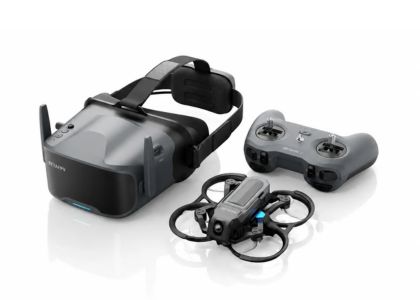
FPV, or First-Person View, drone flying is a unique way to control unmanned aerial vehicles. Unlike standard drone operation, where you rely on line-of-sight control, FPV lets you pilot your drone as if you’re sitting in the cockpit. This immersive experience is made possible by transmitting real-time video from the drone’s onboard camera directly to FPV goggles or a display.
The thrill of FPV is unmatched. You dodge obstacles, speed through landscapes, and perform acrobatics with reflexes sharpened by the perspective of true flight. The core components that enable this include a high-quality onboard camera, a video transmitter (VTX), a receiver on your headset or monitor, and robust controls that keep up with your maneuvers.
---
Essential FPV Drone Gear and Components
**1. Drone Frame:** The backbone of your FPV drone, supporting all components.
**2. Motors and Propellers:** Choose power and efficiency for your intended flight style – racing, freestyle, or cinematic.
**3. Flight Controllers and ESCs:** The flight controller acts as the drone’s brain, while Electronic Speed Controllers (ESCs) manage the motors’ speeds.
**4. Cameras and VTX (Video Transmitters):** These determine the clarity and range of your real-time view.
**5. FPV Goggles/Displays:** Your primary window to the drone’s eye view, goggles deliver high immersion, while screens are better for group flights.
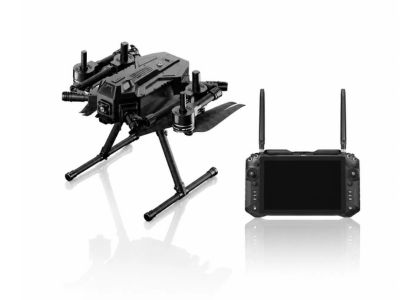
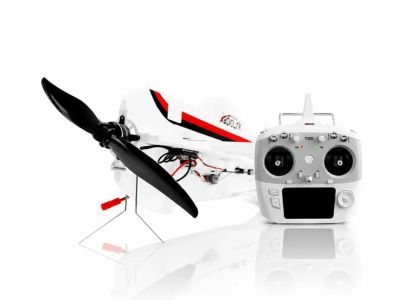
**6. Remote Controllers and Receivers:** Ensure tight, reliable control with a responsive transmitter and a compatible receiver.
**7. Antennas and Batteries:** Quality antennas reduce video dropouts, and high-capacity batteries increase flight time.
---
Types of FPV Drones
FPV drones come in several configurations, catering to diverse flying styles and experience levels:
- **RTF (Ready-to-Fly):** Pre-assembled and tuned, perfect for beginners.
- **Custom Builds:** For enthusiasts who want full control over performance, customization, and repairs.
- **Racing Drones:** Engineered for speed and agility, designed to zip through gates and tight corners.
- **Freestyle Drones:** Built for acrobatic maneuvers and creative flying.
- **Cinematic FPV Drones:** Optimized for smooth, stable video capture, ideal for breathtaking landscapes.
- **Whoop/Micro Drones:** Small, lightweight, and suitable for indoor or casual flying.
Knowing your goals will help you pick the right drone type – whether you crave adrenaline or cinematic beauty.
---
Setting Up Your FPV Drone
The setup process varies depending on whether you’re using an RTF kit or building a drone from scratch:
**Assembly (Custom Builds):**
Connect flight controllers, solder motors and ESCs, mount the camera and VTX, and secure everything to the frame.
**Binding & Configuring Controls:**
Most FPV drones require “binding” the transmitter to the receiver. Configuring flight modes and failsafes through software like Betaflight is also essential.
**Video System:**
Install your FPV camera and VTX, then power on your goggles or monitor to match their frequency with the drone’s signal.
**Pre-Flight Calibration & Safety Checks:**
Check propeller rotation, calibrate sensors, and test signal range before your maiden flight.
---
Mastering FPV Flight
FPV flight begins with learning the basics, practicing, and conquering beginner pitfalls:
**Basic Controls & Terminology:**
Get comfortable with throttle, yaw, pitch, and roll. “Acro” mode offers the most freedom but requires practice.
**FPV Simulators:**
Before risking your drone, spend time on simulators like Liftoff, DRL Simulator, or Velocidrone. Sim practice accelerates real-world skill dramatically.
**First Flight Tips:**
- Fly in open areas away from people and obstacles.
- Start with gentle stick movements and keep drones within sight.
- Use angle or stability mode until you’re confident.
**Overcoming Challenges:**
Crashes are part of learning. Analyze each one, identify mistakes, and gradually increase in-flight complexity as you gain control.
---
Safety and Legal Considerations
Your FPV journey must adhere to laws and safe practices, keeping you and others protected.
**Drone Laws & Registration:**
Different countries have unique drone laws regarding maximum altitude, no-fly zones, and drone registration. Research your local regulations and register your drone if required.
**Recommended Safety Gear:**
- Always wear eye protection when operating indoors or repairing.
- Ensure propeller guards are installed for indoor flights.
**Privacy & Responsible Flying:**
Respect privacy by avoiding overflights of private property or crowds. Never fly beyond visual line-of-sight unless using a spotter. Stay clear of airports and sensitive areas.
---
Maintenance and Troubleshooting
A well-maintained drone means more flying and less downtime:
**Routine Maintenance:**
Inspect frame integrity, propellers, and wiring before each flight. Clean camera lenses and goggles.
**Common Repairs:**
Switch out broken propellers, replace worn motors, and address any loose or frayed connections. Keep a toolkit and spare parts handy.
**Upgrades and Mods:**
As you progress, consider HD cameras, more efficient motors, or higher-capacity batteries to improve your drone’s performance and video quality.
---
Advancing Your FPV Skills
**Join the Community:**
Engage with FPV communities online (FPV forums, Facebook groups) and locally. Sharing experiences accelerates learning and helps troubleshoot issues.
**Participate in Events:**
Dive into races or freestyle competitions. These foster skills, promote friendships, and keep the thrill alive.
**Keep Learning:**
Instructional YouTube channels, online courses, and active discussion boards abound. Use these resources for continuous improvement.
---
Conclusion
The world of FPV drone flying blends cutting-edge technology and adrenaline-fueled fun. From understanding the basics and assembling your gear to perfecting your piloting skills, the FPV experience is as rewarding as it is challenging. Take safety seriously, respect local regulations, and always fly responsibly to ensure every flight is fun and frustration-free.
Ready to soar? Start your FPV drone journey today with the right gear, dedication, and curiosity, and unlock the skies from an exhilarating new perspective!
---


